

How to Replace a UPVC Door Replacement Lock
If your door lock begins getting stuck or doesn't function as it is supposed to, you should consider replacing it. It may seem like a complicated process but it's actually quite simple and doesn't require an expert locksmith.
A few tools of the trade and a little patience, and a lot of care should be enough to get the job done. Here's what you should do:
Measure the Door
It's time to replace your uPVC doors if you're having difficulty locking them or if they don't shut. Whether you've recently moved house or a tenant left without returning the keys, or your multipoint gear box is showing signs of wear and tear, it's simple to swap out the barrel on your lock to an alternative that offers an extra layer of security.
It is necessary to take measurements prior to buying an entirely new lock. This will ensure that the new lock will be a good fit and won't compromise the security of your home. The most crucial of these is the backset. It is the distance from the center of the keyhole bore hole to the edge of the door. It's usually 2 3/8 or 2 3/4 inches. You can measure the length using measuring tape, and write the results.
You should also be aware of what the faceplate's thickness is. This is the measurement of the piece that covers the mechanism of the lock. If you can, buy an alternative lock from the same manufacturer, because they'll be constructed to the same dimensions. If you are unable to locate the name of the manufacturer or mark on the lock, measure the length of the cylinder. You can also confirm this by putting a pencil in the keyhole and measuring from the bottom of the lock up to the centre of the pencil mark on each side of the cylinder.
Once you have the dimensions you can begin removing the old cylinder. Start by loosening the screw that holds the handle in place with a Phillips-head screwdriver, then loosen the screws holding the handles' exterior and interior together. Once these have been removed, you are able to remove the barrel screw on the exterior handle and pull the cylinder out.
If the cylinder gets stuck in the lock, you could try using WD-40, or another fluid. It is essential not to try to force it out. Forceful turns can damage the internal gearbox of your lock. You may also want to think about upgrading to a lock with anti-snap and anti-bump security, which are more secure against attacks by thieves.
Source the Lock
If you're replacing an old lock following a burglary or upgrading for greater security there are a few things to keep in mind when choosing a new door lock. Make sure you've got the right size cylinder for your door and that you're buying from a reputable brand to ensure a proper fit and quality. You'll also need a few essential tools to complete the job, such as tape measure, screwdriver and a rubber mallet.
There are many indicators that your upvc lock is about to wear out and need replacement. Typical problems include visible damage to the lock or a handle that is loose and not fitting correctly. If the lock is jamming or not locking at all it's time to get a new lock.
Installing the lock correctly is important once you've chosen the correct lock. This will ensure that it locks and works correctly. Follow the instructions of the manufacturer when installing the multipoint lock mechanism inside the Upvc panel. Install the proper faceplates, handles and other parts. After everything is set check the mechanism by locking and unlocking the door from inside and outside. If everything looks good you're ready to celebrate your achievement.
A door lock made of upvc might sound daunting but it's actually an simple DIY project that can be accomplished without the help of needing a locksmith. It's simple to change your lock if you know the signs and have the right tools.
Be aware that a lock made of upvc can benefit from lubrication, as with any other moving component. A few sprays of silicone or graphite powder lubricant can aid in prolonging their life by ensuring they are free of excessive friction that can wear them down prematurely. Regularly cleaning your door's lock mechanisms with WD-40 and a damp cloth is a good way to keep them in great condition.
Take out the Cylinder
If you're experiencing issues with your doors made of plastic, it may be time to replace the barrel of your lock. This is a straightforward DIY project that can be completed in a few moments and is a great way to keep your home secure. This process requires that you determine the brand of the lock and then search for the appropriate replacement.
A damaged door lock can be a major pain, not to mention a major security risk. It's not uncommon for locks on uPVC doors to experience issues and it's crucial to keep up with regular maintenance. cost to replace upvc door lock mechanism recommend replacing your lock every seven to eight years. If your lock is severely damaged or you're not satisfied with its performance, professional help might be worthwhile.
For uPVC, a simple pin system, referred to as the euro cylinder will be used in most cases. These are convenient to use and don't break down however they can be susceptible to attack. Therefore, it's worth replacing the lock's cylinder by an updated model that has anti-snap and anti-bump protection to prevent burglary.
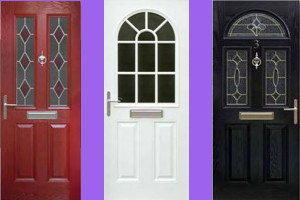
The first step in changing your uPVC locks is to take off the handle. This will expose the old cylinder. It's not easy because screws are usually concealed beneath the handles. Make sure you have your screwdriver in your bag. Next, you'll want to try wiggling and tugging the cylinder until it loosens. Once it loosens, you can take it out of its socket.
Once you've found an appropriate replacement, it's a case of screwing it in place and then reverse the removal process. You should not tighten the lock too much as this could cause the cylinder in the door to become stuck and stop functioning as it should. Test the uPVC replacement lock by opening it and closing it from both sides. You should now be able to lock and unlock it with your key! If not, ensure the screws are tightened and try again.
Install the Lock
Do some research to be sure that the lock you select is the right one for your door. You'll have to be aware of your faceplate and backset dimensions which is the distance between the edge of the front door and the centre of the handle/cylinder with the type of lock in order to ensure that the new lock is properly fitted without compromising security.
After you've completed this, it's time to install the new lock. It is best to prop the door open or secure it so that it doesn't shut during the installation process. First, loosen the screws that hold the handle in place by using a Phillips-head screwdriver. After that you should be able to slide the handle's outer and inner parts apart.
You can now remove the old cylinder by removing it. Once you've removed your cylinder then you'll be able to install the new lock, making sure that you follow the guidelines for your particular model. Once the lock is installed, you can test it by opening and shutting the door from both the inside as well as the outside, then locking and unlocking it from inside and testing it again.
There are many reasons why you might need to change the locks on your uPVC door. It might be that you've recently moved in and don't have a key, the previous tenant didn't return the key or perhaps you prefer an extra secure lock. Whatever the reason changing the lock's cylinder is simple and shouldn't take more than five minutes.
Whether you have a multipoint lock, or a single-point lock, they all operate on the same basic mechanism. They can have problems, such as closing issues or jam. These issues could be caused by weather conditions, wear and tear, or just everyday use. Fortunately, the majority of these issues can be resolved with a little bit of maintenance or the assistance of locksmith.